
How Aircraft Parts Traceability Prevents Counterfeit Components
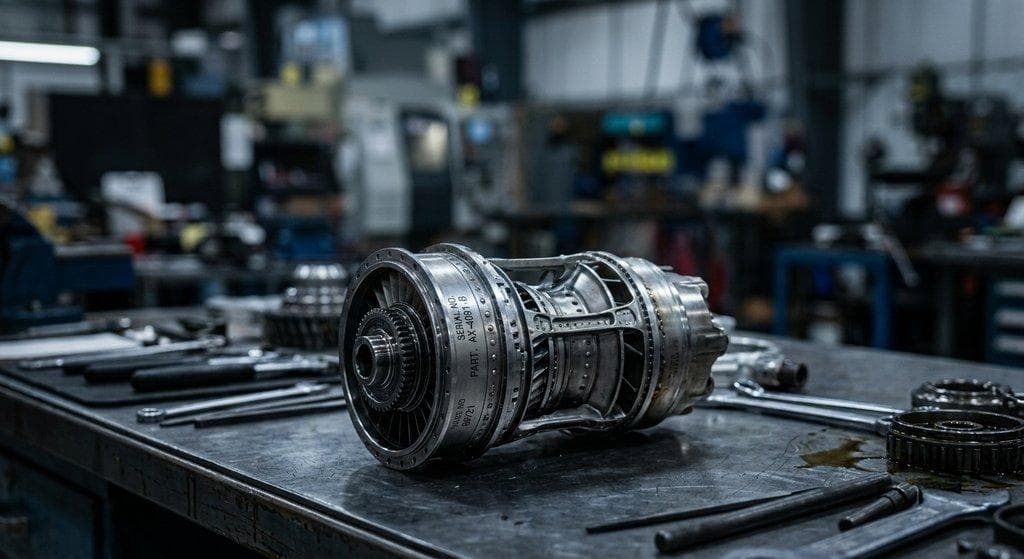
A counterfeit aircraft part rarely announces itself. It looks identical to the genuine component, ships with a plausible-looking certificate, and can sit in an aircraft for years before anyone finds out. For MROs, airlines, and manufacturers, that risk is exactly why traceability has moved from a compliance checkbox to a core purchasing requirement.
What Is Aircraft Parts Traceability?
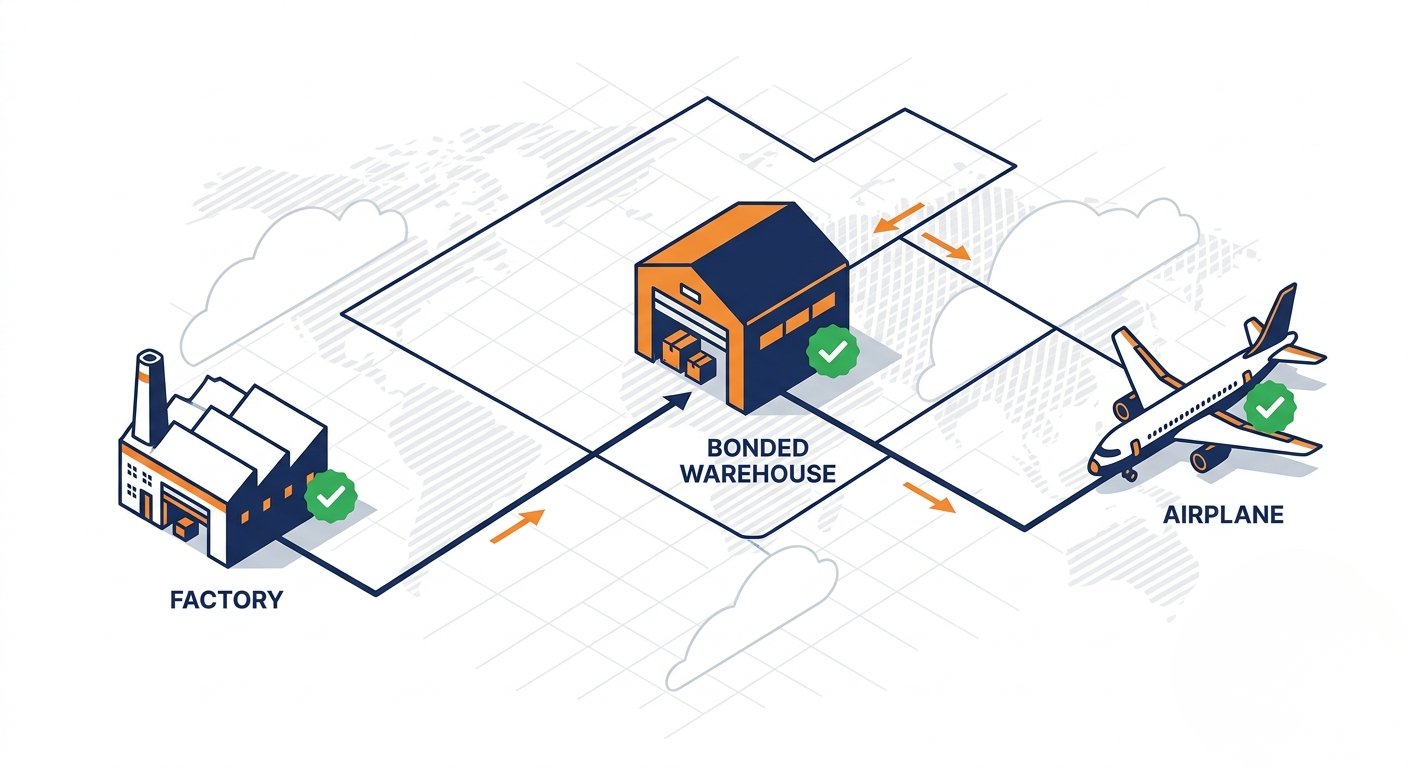
Aircraft parts traceability is the ability to track a component's complete history, from raw material and manufacturing through distribution, installation, and eventual removal. A truly traceable part carries documentation proving where it came from, who handled it, and that it meets the airworthiness standards required for flight. Without this digital trail, operators have no reliable way to confirm a part is genuine, unaltered, or safe to install.
Why Counterfeit Parts Are a Growing Risk
Global aerospace supply chains have grown longer and more fragmented, with parts changing hands across multiple distributors, repair stations, and countries before reaching an aircraft. Each additional link is an opportunity for a counterfeit or unapproved part to enter the chain, particularly for components in high demand or short supply. Regulators including the FAA and EASA have flagged suspected unapproved parts as a persistent safety concern, and the consequences of installing one range from grounded aircraft to catastrophic failure.
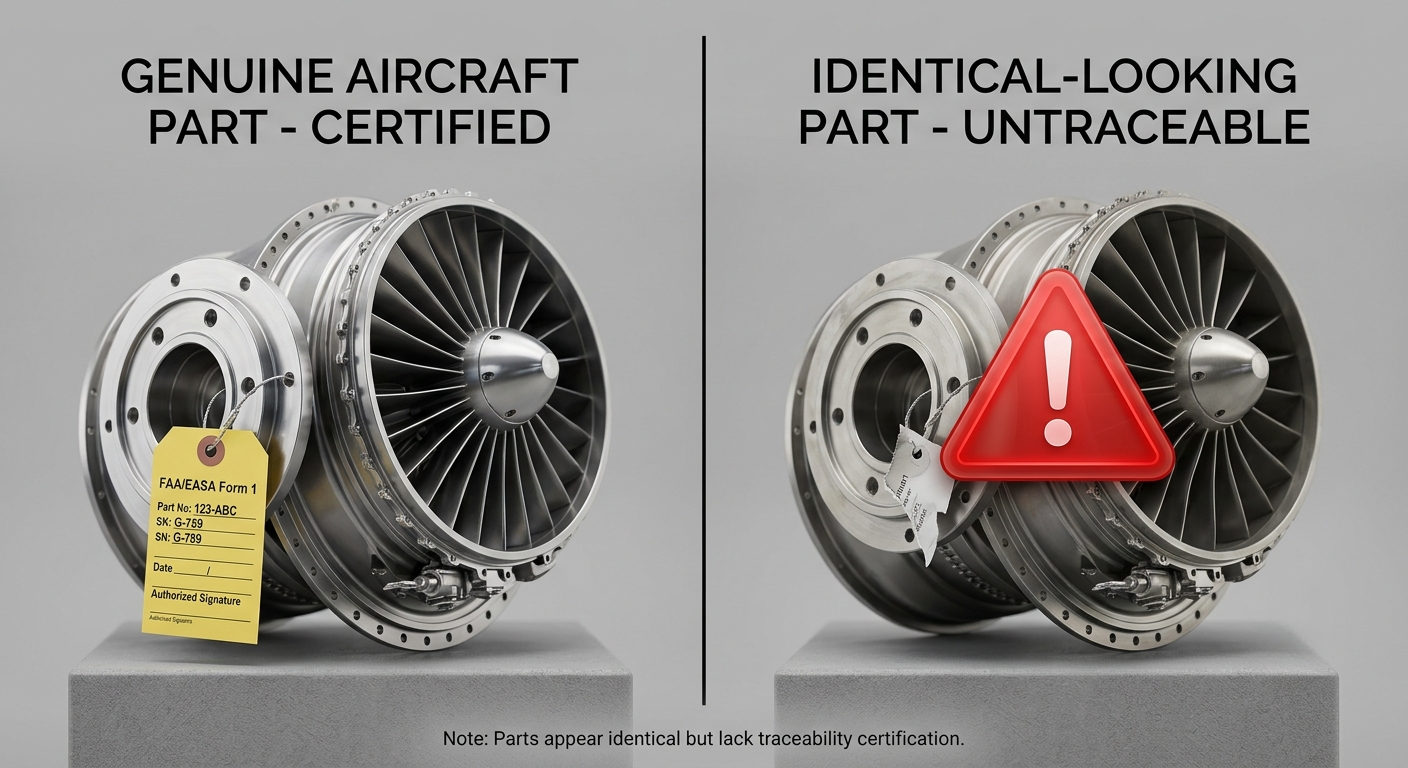
How Traceability Stops Counterfeit Components
A well-built traceability system closes the gaps that counterfeit parts rely on. Three elements matter most:
Digital, birth-to-installation records that follow a part from the original manufacturer to the aircraft it is installed on, so buyers can verify provenance at any point.
Automated airworthiness documentation that generates certificates and quality paperwork with the order itself, rather than relying on paperwork supplied after the fact.
Vetted supplier networks, where every source in the chain has been qualified in advance, removing the guesswork about where a part actually originated.
Together, these controls mean a buyer is not just trusting a supplier's word, they can verify a part's history independently, at the time of purchase.
What to Look for in a Traceable Aerospace Supply Partner
Not every distributor that claims full traceability can back it up. When evaluating a parts supplier, operators should ask whether documentation is generated automatically with every order or requested manually after the fact, whether the supplier can show a part's chain of custody back to the original manufacturer, and whether the supplier's warehousing and logistics network is bonded and auditable. A supplier that can answer all three with specifics, not just assurances, is one that treats traceability as infrastructure, not paperwork.
Frequently Asked Questions
What is aircraft parts traceability?
It is the documented, verifiable history of a component from manufacture through installation, proving it is genuine and meets airworthiness requirements.
How can I tell if an aircraft part might be counterfeit?
Warning signs include missing or inconsistent documentation, prices far below market rate, and suppliers unable to trace a part back to its original manufacturer.
Why does airworthiness documentation matter?
It is the paperwork, digital or physical, that proves a part legally meets the safety standards required to be installed on an aircraft, and it is typically required for regulatory audits.
Does traceability increase procurement costs?
Not necessarily. Automated documentation and vetted supplier networks can reduce the time and cost of manual verification, while lowering the far larger financial and safety risk of an unapproved part.
The Bottom Line
Traceability is not just compliance paperwork, it is the difference between trusting a part and verifying it. As supply chains grow more complex, operators that build traceability into procurement, rather than treating it as an afterthought, are the ones best positioned to keep aircraft flying safely and on schedule. Angad Aviation works the same way: every part we supply ships with its traceability documentation, and where a part carries an EASA Form 1 or FAA Form 8130-3, the certificate can be checked online.
If you are sourcing components for an MRO, airline, or manufacturing program, get in touch for a traceable, compliant quote.
Sources
Federal Aviation Administration – Suspected Unapproved Parts (SUP) Program
European Union Aviation Safety Agency (EASA) – Suspected Unapproved Parts (SUP)